VLRC blog posts
The Visual Language Research Corpus (VLRC) Project was our first effort to compare the patterns across comics from different cultures. We analyzed over 300 comics from more than a dozen countries in North America, Asia, and Europe.
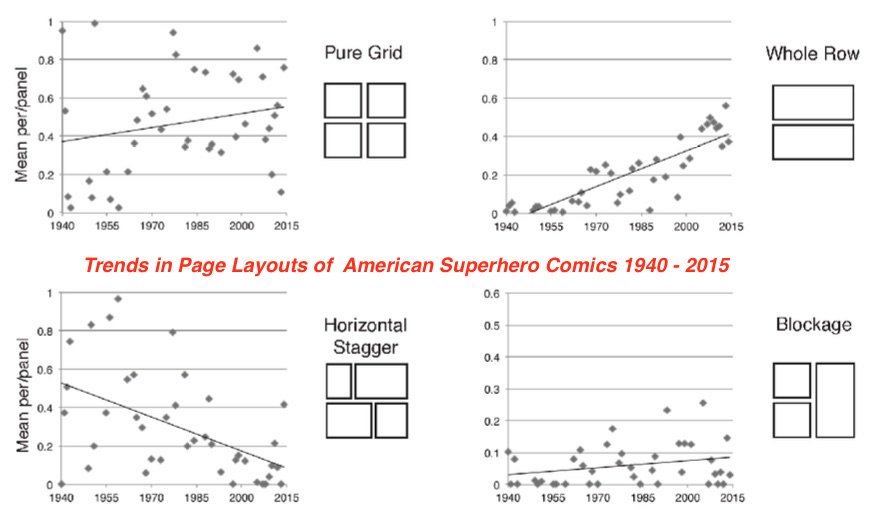
Some of our analyses focused on the cross-cultural differences between comics, showing for example that comics from different parts of the world vary in systematic ways. Some of our analyses also focused on the changes that occur over time to comics, for example showing the comics from the United States have changed across time in their page layout, visual storytelling, and multimodality.
Below you’ll find blog posts related to the building and analyzing of the VLRC.
-
Analyzing Calvin and Hobbes
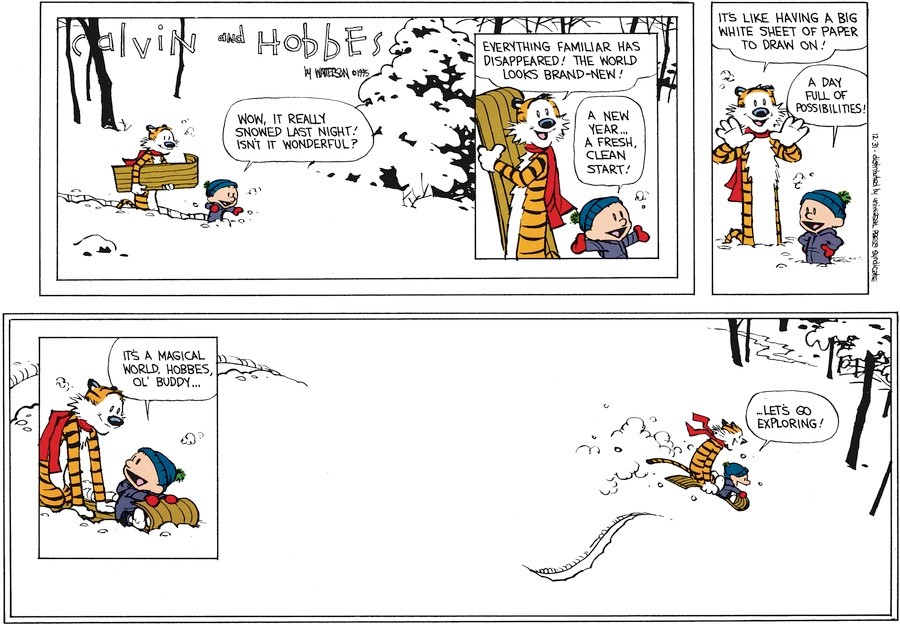
On New Year’s Day 2021, I posted a thread on Twitter analyzing the properties of the Calvin and Hobbes comic strip. People seemed to like the thread, so here’s a blog post recapping it all in once place… The Calvin and Hobbes comic strip ended 25 years ago, so let’s celebrate a New Years treat…
-

New paper: Structural complexity in visual narratives
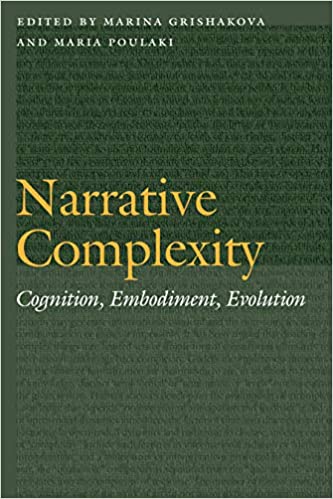
2019 so far has been a flurry of published papers for me, and here’s yet another. My paper “Structural complexity in visual narratives: Theory, brains, and cross-cultural diversity” is now published in the book collection Narrative Complexity and Media: Experiential and Cognitive Interfaces. The book is an extensive resource (468 pages!) including many chapters about…
-
New paper: The cultural pages of comics
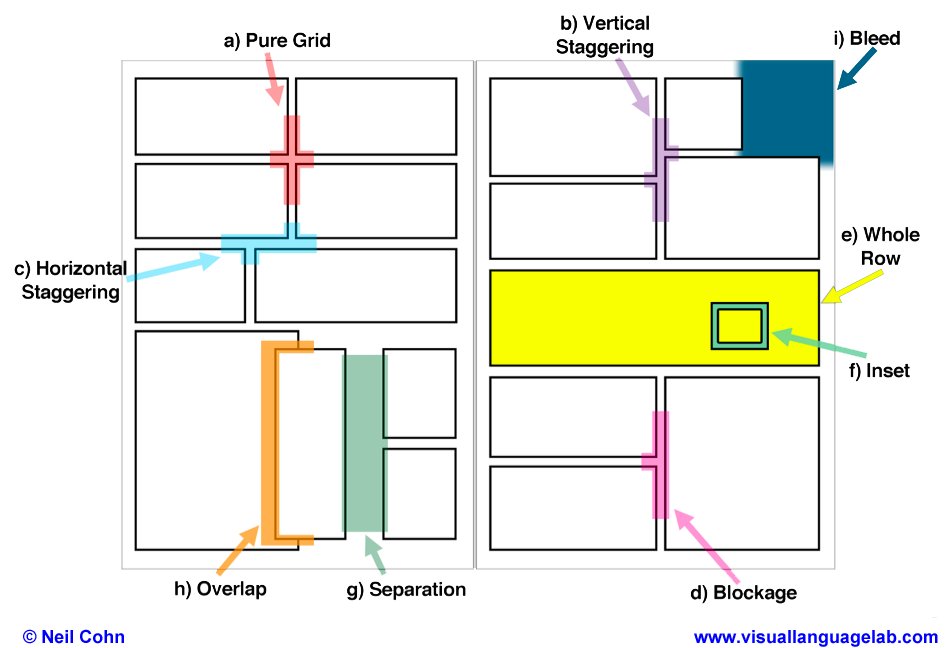
I’m excited to announce that our paper, “The cultural pages of comics: cross-cultural variation in page layouts”, has been published in the Journal of Graphic Novels and Comics! It actually came out back around a year ago, but I was waiting for it to leave “early view.” Since it’s still unchanged, I figured better to…
-
New paper: A picture is worth more words over time
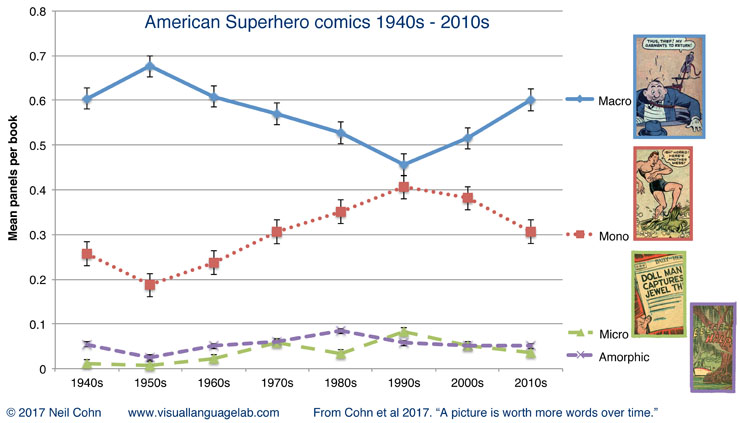
I’m excited to announce we have another new paper, “A picture is worth more words over time: Multimodality and narrative structure across eight decades of American superhero comics,” now out in the journal Multimodal Communication. This paper examines the changes in text-image relations and storytelling in American superhero comics from the 1940s though the 2010s.…
-
New paper: Pow, punch, pika, and chu
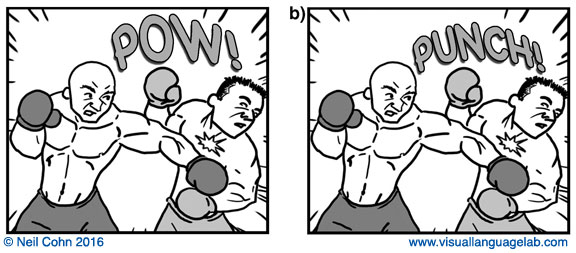
I’m once again excited to announce the publication of another of my students’ projects. Our paper, “Pow, Punch, Pika, and Chu: The Structure of Sound Effects in Genres of American Comics and Japanese Manga” is now published in the latest issue of Multimodal Communication. This was another paper derived from student projects in my 2014…
-
New paper: The changing pages of comics
I’m excited to announce the publication of our latest paper, “The changing pages of comics: Page layouts across eight decades of American superhero comics” in the latest issue of Studies in Comics. This was a student project undertaken by the first author, Kaitlin Pederson, from my 2014 class the Cognition of Comics. She analyzed how…
-
Dispelling myths about comics page layout
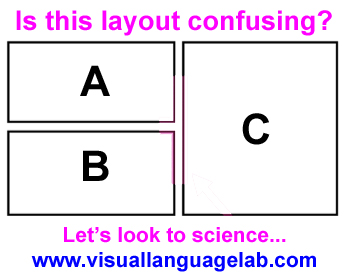
There are many websites and twitter accounts that give advice about how to draw comics, and perhaps no other piece of “advice” arises more than the repeated advocacy to avoid page layouts like the one in the image to the right. Advice-givers claim that this layout is confusing because a reader may not know whether…
-
New paper: The vocabulary of manga
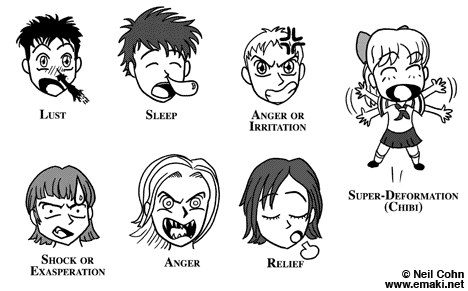
I’m happy to announce that my new article with co-author Sean Ehly, “The vocabulary of manga: Visual morphology in dialects of Japanese Visual Language” is now published in the Journal of Pragmatics! This paper is especially exciting, because my co-author is a former student who did this project as part of his class project. It…